

AI-powered development tools are changing how developers build software. Instead of writing every line of code, engineers can now rely on artificial intelligence to generate features, interfaces, and even full applications.
Two tools are at the center of this conversation: Replit and Lovable.
At first glance, the Replit vs Lovable debate seems simple. Both promise faster development and AI-assisted workflows. But they are built around very different philosophies of how software should be created.In this article, we explore Replit vs Lovable, how each platform approaches AI-native development, and what these tools reveal about the future of building apps, products, and digital experiences.
Vibe Coding and the Evolution of Prompt-Driven Development
As AI development tools become more capable, a new mindset is emerging in software creation: vibe coding.
Instead of starting with rigid technical specifications, developers begin with an idea and guide AI systems through prompts to generate the first version of a product.
This approach aligns with prompt-driven development, where devs describe what an application should do and AI tools generate the code, interface, and logic behind it.
The impact is immediate. Early development friction is reduced.
Instead of spending days configuring environments, writing boilerplate code, and connecting infrastructure, teams can move into experimentation right away.
This makes it easier to test ideas and build early prototypes.
However, this shift does not end the need for engineering expertise. In many ways, it increases the importance of architectural thinking.AI-generated code still needs to be reviewed, structured, and improved. Devs must refine system architecture, ensure scalability, and debug issues as applications evolve.
Replit vs Lovable: Two Different Approaches to AI Development
The discussion around replit vs lovable can’t be only about which tool is better. It reflects two different approaches to building software with AI.
Both Replit and Lovable aim to reduce the time it takes to turn ideas into working applications. They allow devs to generate code, create features, and iterate faster.
However, the philosophy behind each platform is quite different:
Replit
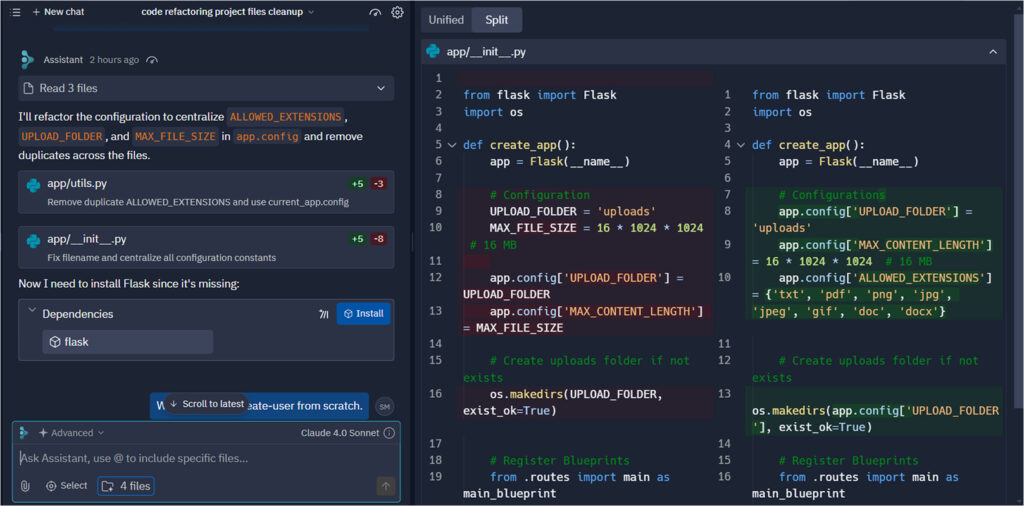
Replit focuses on helping developers write and manage code inside astructured development environment. It offers a robust set of tools and views all within one dashboard, allowing you to make edits and see real-time changes without switching between tools.
Rather than generating an app and stepping back, Replit acts as a full-stack companion.
The platform integrates Dual AI support: an AI agent for building out the core application and an AI assistant for making fine adjustments and troubleshooting.Its latest updates, like Agent 4, even introduce parallel agents that can handle authentication, database setup, and design tasks.
Software engineers still control the architecture of the project and manage files, dependencies, and deployment.
Since Replit comes with built-in full-stack infrastructure, it is the ideal choice for larger, more intricate projects where devs need deep customization and hands-on coding control.
Lovable
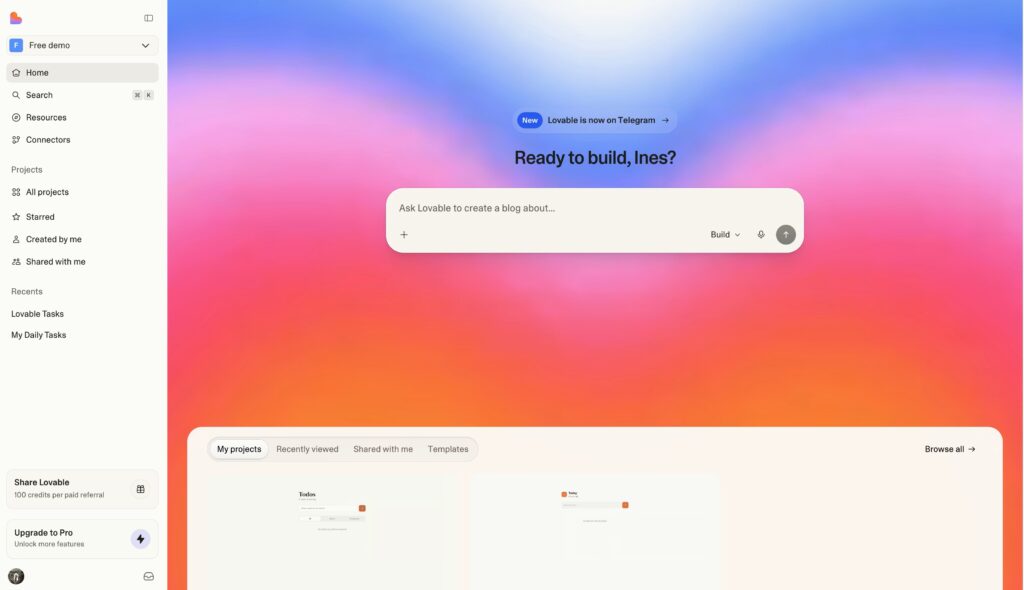
Lovable takes a more automated, design-first approach. Instead of starting from a traditional coding workspace, it uses a minimalist, chat-based dashboard where users describe the product they want to build or even drop in screenshots and documents.
The platform generates a complete application structure that can include:
- Interface
- Back-end logic
- Database configuration
- Authentication
The product is then refined through extra prompts and iterations.Lovable truly shines in its speed and UI automation. It even features a seamless Figma integration, allowing designers to translate their UI work from that tool into functional code.
It also excels at automated debugging and memory management, meaning it resolves errors and manages conversation history without requiring manual chat resets. Lovable is the go-to tool when you need a quick, no-code solution for rapid UI development and working prototypes.
This difference highlights the main tradeoff in prompt-driven development today.
Some tools enhance the traditional coding workflow, while others try to generate entire products from prompts. The result is a spectrum between dev control and automation.
| Dimension | Replit | Lovable |
| Development philosophy | AI-assisted coding. | Prompt-driven product generation. |
| Starting point | Coding workspace. | Natural language prompt. |
| Level of control | High developer control. | Higher automation. |
| Typical workflow | Writes and edits code with AI support. | Generates and refines applications with prompts. |
| Best suited for | Building structured projects. | Fast product prototypes and MVPs. |
Replit vs Lovable: When Does Prompt-Driven Development Make the Most Sense?
Tools that support prompt-driven development are powerful, but they are not designed to replace software engineers.
Their real value appears in situations where teams need to move fast, test ideas, and experiment with product concepts.
This makes prompt-driven workflows especially useful in the early stages of development.
Some of the most common use cases include:
- Building MVPs and startup prototypes: Early-stage startups often need to validate product ideas. Prompt-driven tools allow founders and developers to generate a functional application that can be tested with users in a short time.
- Testing product ideas early on: Teams can experiment with different product features, user flows, and interfaces without committing to a long development cycle.
- Generating internal tools and dashboards: Companies often need internal systems for operations, reporting, or automation. AI-assisted development tools can generate these solutions, saving engineering time.
- Creating early product demos for investors: Startups can build interactive prototypes that show how the product works before investing in full development.
Replit and Lovable Alternatives
As interest in prompt-driven development grows, developers are also exploring Replit and Lovable alternatives that support similar workflows.
Some notable examples include:
Google AI Studio
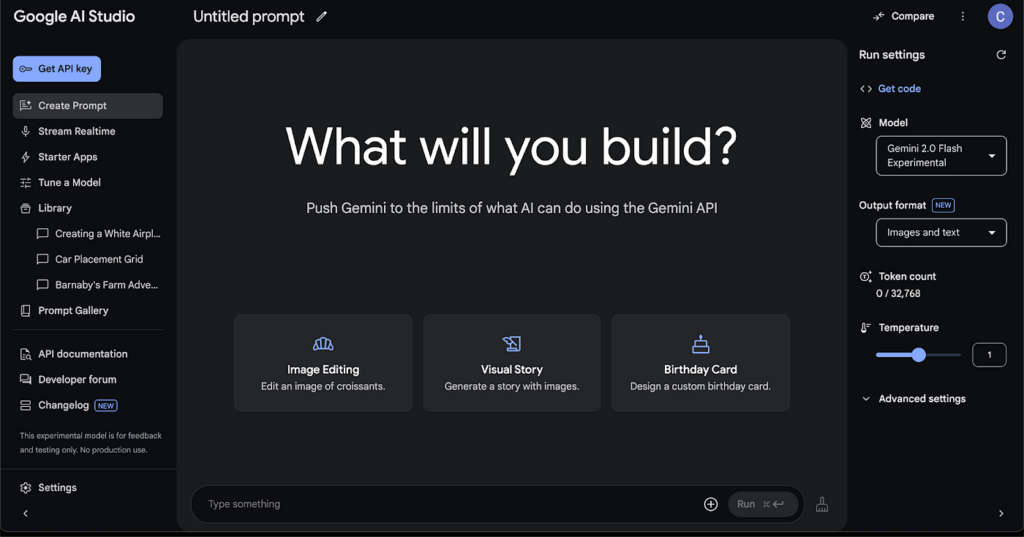
Google AI Studio focuses on experimentation with AI models and prompts. Instead of generating full applications from a single prompt, it gives developers an environment to test model behavior, iterate on prompts, and build AI-powered features.
Devs can prototype applications that integrate LLMs, generate code snippets, and test workflows in real time.
This makes the platform especially useful for teams exploring AI-driven products, chat interfaces, and automation features before integrating them into a full software architecture.
Claude Code
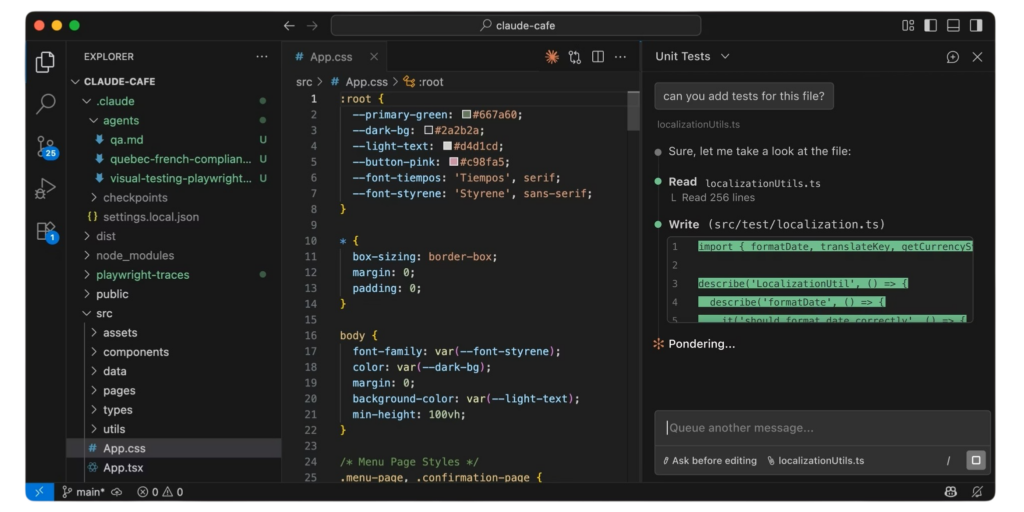
Anthropic recently introduced Claude Code, a powerful AI coding agent that lives inside the developer’s terminal and IDE. Rather than acting just as a conversational assistant, Claude Code executes tasks within your local environment.
Using agentic search, it can map and understand entire project structures and dependencies in seconds, without requiring you to manually select context files.
For developers looking for a tool that offers hands-on, multi-file code execution, Claude Code represents a major step forward in agentic coding.
Bolt.new
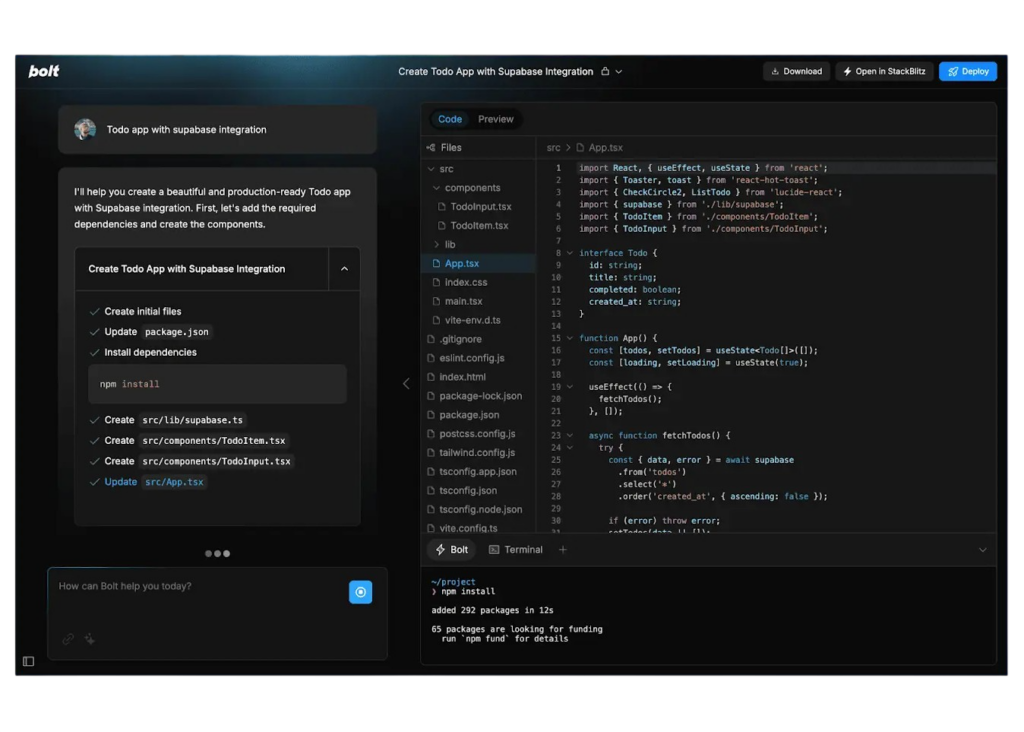
Bolt.new is designed to generate full-stack web applications from prompts. Developers describe the application they want to build, and the platform creates a working project that includes front-end components, back-end logic, and deployment setup.
Because it runs inside a browser-based development environment, users can immediately edit the generated code, test features, and iterate on the product.
This approach makes Bolt.new particularly attractive for rapid prototyping and early product experimentation.
Each platform explores a different balance between automation, developer control, and prompt-based workflows, giving teams more flexibility in how they experiment with new ideas and build products.
Techunting and the Talent Behind AI-Native Development
AI-native development is transforming how software gets built. Tools can now generate code from prompts and speed up workflows. But these tools still rely on experienced engineers to guide them.
Even in prompt-driven development, devs must understand system architecture, AI models, and data pipelines. AI can generate code, but engineers ensure that applications are scalable, secure, and ready for production.
Because of this, companies need engineers who can work with AI tools and build reliable systems around them.
This is where Techunting helps.
It connects companies with experienced AI-ready engineers who understand modern development environments and AI-driven workflows.
With Techunting, organizations can:
- Hire experienced AI engineers faster.
- Expand engineering teams.
- Access specialized talent for AI-native projects.
The Future of Prompt-Driven Development
Prompt-driven development is shaping a new phase of software creation. AI tools can generate features, interfaces, and even entire applications from well-written prompts.
This makes experimentation faster and lowers the barrier to building new digital products. Explore how to hire AI engineers and build teams ready for AI-native development.